DET Framework™
DET Strategic Horizons
Defend today's core, Extend current advantages, and Transform toward tomorrow's opportunities — a proprietary three-horizon strategy model built for Indonesian business realities.
For over 26 years, Indonesia's most trusted transformation firm — guiding leaders, organizations, and family businesses toward purposeful, lasting growth.
Trusted by Indonesia's Leading Organizations
Founded in 1998, Qando Qoaching Group is Indonesia's premier boutique transformation firm. We are not a training vendor — we are a trusted partner who walks alongside organizations through their most important moments of change.
Today, We continue to expand our impact through integrated expertise across leadership transformation, human capital, organizational strategy, family business advisory, and digital learning solutions—delivering world-class depth with a people-centered approach.

Five disciplines. One transformation partner. Designed to work in concert — addressing strategy, people, culture, leadership, and capability simultaneously.
We elevate leaders and teams through immersive, results-focused programs. From aligning leadership direction to igniting personal transformation — lasting behavioral change at every level.
We partner with HR leaders and executives to design human capital strategies that move the business — from talent intelligence and culture transformation to people operations.
We help organizations think clearly about the future and build the capabilities to get there. Proprietary strategic frameworks, organization redesign, and governance excellence.
Family businesses face challenges no standard corporate playbook can address. We bring deep expertise in family governance, generational leadership, and wealth structuring.
The future of learning is digital, scalable, and continuous. Powered by Gnowbe, we design and deploy world-class digital learning experiences that build capability at scale.
Defend today's core, Extend current advantages, and Transform toward tomorrow's opportunities — a proprietary three-horizon strategy model built for Indonesian business realities.
A rapid diagnostic engine for leadership and organizational alignment — identifying root issues quickly, so transformation work begins from truth, not assumption.
Governance, Relationship, Equity, Accountability, and Transition — a comprehensive family governance architecture to safeguard harmony and continuity across generations.
We support clients in leadership acceleration, culture shifts, strategy execution, family governance, and capability development — always grounded in practical results and long-term trust.
Every engagement is measured. Every outcome is owned together. We do not deliver reports and leave — we stay until transformation takes root.
"In moments of growth, transition, or succession, organizations need more than advice. They need a trusted partner who guides change with clarity and execution discipline."
Family businesses carry unique strengths — and unique complexities. They are the backbone of Indonesia's economy, yet face challenges that no standard corporate playbook can address. Leadership succession, ownership clarity, generational trust, and governance design require a different kind of advisor.
"We are a Trusted Transformation Partner. We help organizations and business families grow through people, leadership, strategy, and continuity."
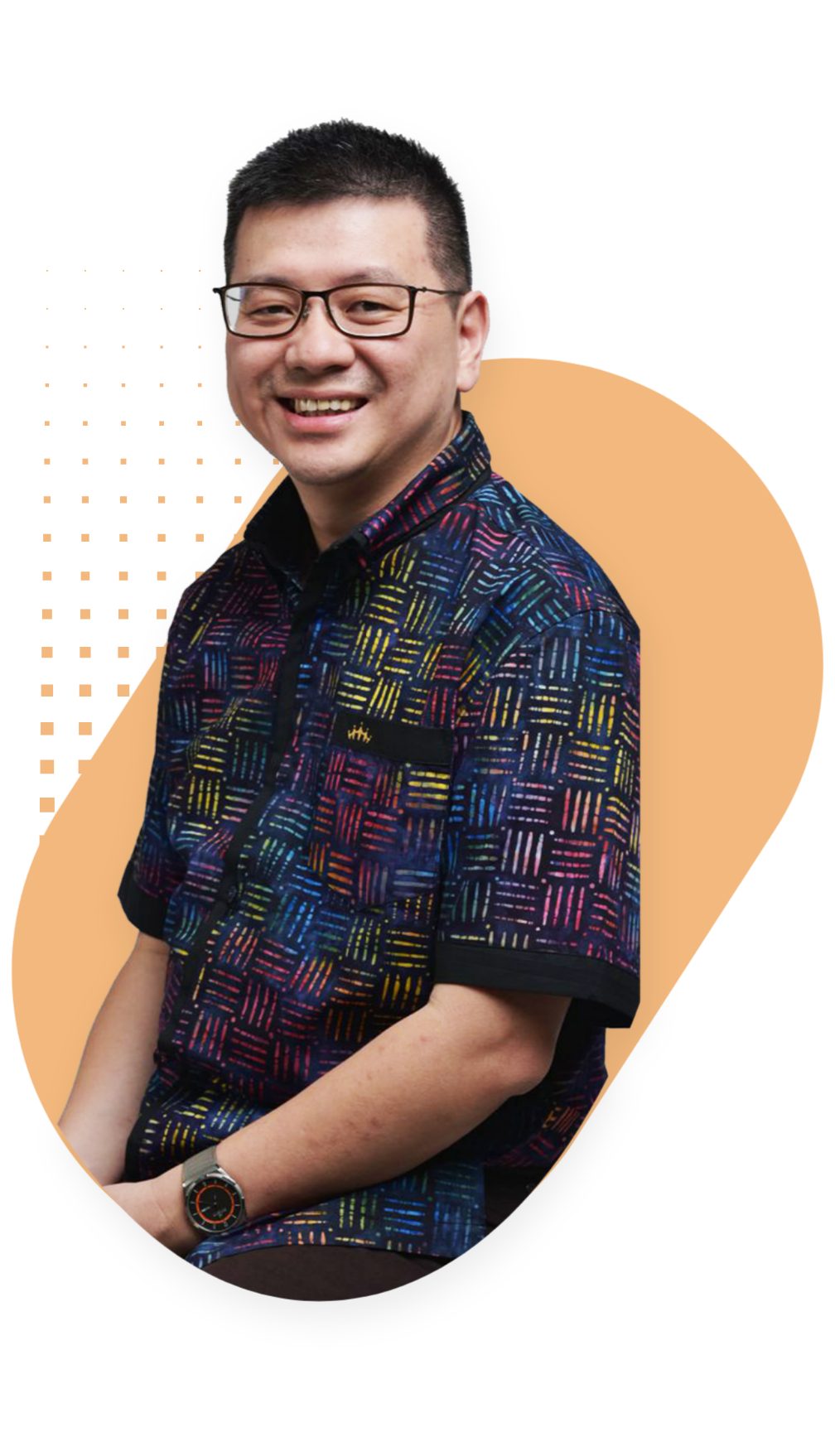
Over 26 years of guiding Indonesia's most complex organizational transformations — from Fortune 500 subsidiaries to multi-generational family enterprises. Julian built QQ Group on a simple but powerful belief: sustainable growth happens when leadership is stronger, people are aligned, strategy is clear, and culture supports execution.
Every meaningful transformation starts with honest dialogue.
Tell us where you are, what you are facing, and where you want to go next. Our team will respond within one business day — with a thoughtful response, not a sales pitch.